


How to Transfer Crypto to Bank Account: Step-by-Step Methods 2025

So you've accumulated some crypto—congratulations! But here's the practical question we all face eventually: how do you actually move those digital gains into your bank account? Whether you're locking in profits after a solid run, need cash for real-world expenses, or simply want to diversify away from market volatility, understanding crypto-to-fiat transfers is essential.
I'll walk you through everything you need to know about transferring crypto to your bank account in 2025—from choosing the right method to avoiding costly mistakes (trust me, they're easier to make than you'd think).
Understanding Crypto-to-Fiat Transfers
Let's start with the basics. Moving cryptocurrency to your bank account isn't quite as simple as sending crypto peer-to-peer on the blockchain. You're bridging two completely different financial systems here—the decentralized world of cryptocurrency and the traditional banking infrastructure. That means intermediary platforms are essential.
Here's how it works in practice. You'll sell your cryptocurrency on a trading platform at current market rates. The platform then processes your withdrawal request and initiates the transfer to your bank account through payment rails like wire transfers, ACH, or SEPA. Multiple parties get involved—the exchange, payment processors, correspondent banks, and your receiving bank. Each step adds time and fees (which we'll break down later).
Why You Might Want to Convert Crypto to Fiat
Look, there are plenty of good reasons to move crypto into traditional currency. Let me walk you through the most common ones.
Realizing Profits: Here's the thing—crypto gains look impressive on screen, but they're not real until you've locked them in. We've all seen those heart-stopping drops where yesterday's portfolio celebration becomes today's regret. The market doesn't care about your unrealized gains. Strategic profit-taking protects your capital from those inevitable downturns. Many smart investors use predetermined price targets as their conversion signals (removes emotion from the equation).
Risk Management: Cryptocurrency volatility is no joke. Prices can swing 10%, 20%, even 50% in a matter of days. Maintaining a balance between crypto holdings and fiat currency creates financial stability you can actually count on. This diversification protects you against market crashes, sudden regulatory changes, or even technical issues with specific blockchains. It's not about being pessimistic—it's about being realistic.
Personal or Business Needs: Let's be honest—most of the world still runs on fiat currency. Your landlord probably isn't accepting Bitcoin for rent. Grocery stores want dollars or euros. If you're running a business, you'll need systematic conversions to cover salaries, supplier payments, and operating expenses. Real-world living requires real-world money.
Choosing the Right Method for Your Needs
Now we get to the interesting part—how you actually do this. There's no single "correct" method here. What works for you depends on your priorities: speed, fees, convenience, or privacy. Let's explore your options.
Cryptocurrency Exchanges
This is where most people start, and for good reason. Exchanges serve as your primary gateway between digital assets and the traditional banking system. The process is straightforward: you deposit your crypto, execute a sell order at market rates, and then withdraw fiat to your linked bank account via wire transfer, ACH, or SEPA.
What's good here? You'll get competitive market-based rates, access to multiple cryptocurrency and fiat pairs, and exchanges have established banking relationships that make transfers relatively smooth.
The limitations? Mandatory KYC verification (you'll need to prove who you are), withdrawal limits that might frustrate you if you're moving large amounts, varying processing times depending on the method you choose, and transaction-dependent fees that can add up.
Peer-to-Peer Marketplaces
P2P platforms let you trade directly with other people, which offers some interesting flexibility. The platform acts as escrow—they hold the crypto until both parties confirm the deal is complete.
What I like about P2P: you get diverse payment methods (bank transfers, mobile money, even cash in some cases), you can potentially negotiate better rates than exchanges offer, and they're available in regions where traditional exchanges haven't expanded yet.
The drawbacks? It requires active participation on your part—you're not just clicking a button. You bear more personal security responsibility. Transactions take longer. And frankly, fraud risk is higher when you're dealing with individuals rather than established platforms.
Crypto ATMs
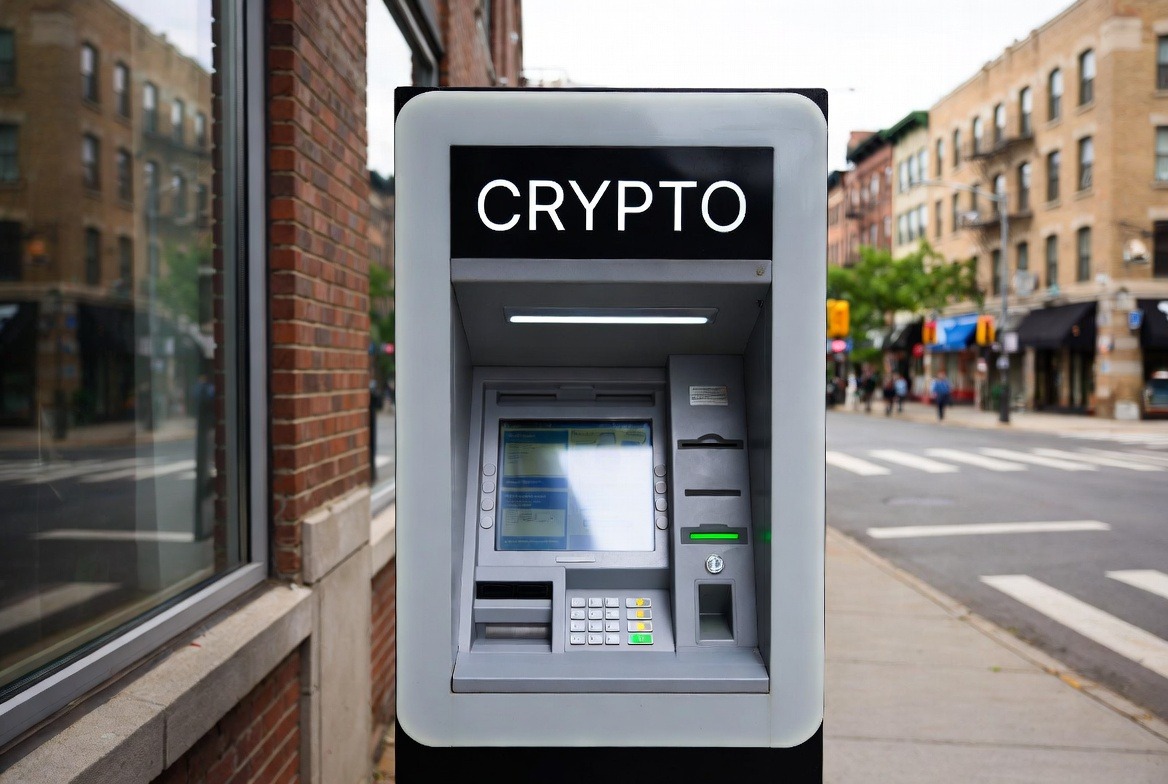
Physical ATM locations that dispense cash after you send crypto to their designated addresses. Pretty straightforward concept.
The pros: immediate cash conversion, simple operation, and relative anonymity (though that's changing with increasing regulations).
The cons? Brutal fees—we're talking 7% to 15% or even higher. Lower transaction limits. Geographic limitations (good luck finding one in smaller cities). And you'll still face KYC requirements once you hit certain thresholds.
Honestly? ATMs are convenient for small, urgent cash needs, but you're paying a premium for that convenience.
Brokerage Accounts
Traditional investment platforms that now integrate crypto alongside stocks and bonds. Think Robinhood or eToro.
Advantages: familiar interface if you're already investing traditionally, unified portfolio management, and integrated tax reporting (which is genuinely helpful come April).
Disadvantages: limited crypto selection compared to dedicated exchanges, generally higher fees, and less control over your private keys.
Crypto Debit Cards
These cards automatically convert your crypto to fiat at the point of sale. Swipe and spend—your crypto gets converted in real-time.
Benefits: seamless spending experience, instant conversion, cashback rewards on some cards, and ATM access worldwide.
Drawbacks: conversion fees on each transaction, spending limits, not every merchant accepts them, and every single purchase creates a taxable event (more on that headache later).
Alternative: Get Cash Without Selling
Here's something interesting that not everyone considers—what if you could access liquidity without actually selling your crypto? That's where crypto-backed loans come in.
YouHodler's Get Cash services let you deposit crypto as collateral and receive loans in USD, EUR, GBP, or CHF. Your crypto remains yours as security—when you repay the loan, you reclaim it. This is powerful because you preserve your exposure to potential appreciation while still accessing the liquidity you need right now.
Think about it: if you believe Bitcoin's heading higher long-term, why sell at today's price? Borrow against it instead. You maintain ownership, preserve future appreciation potential, avoid triggering capital gains taxes immediately, and you get flexible repayment options.
The considerations? Interest accrues on your loan. There's liquidation risk if prices drop significantly. You'll need to maintain sufficient loan-to-value ratios. But for many investors, these tradeoffs beat selling outright.
Step-by-Step Guide: Using YouHodler
Alright, let's get practical. I'll walk you through the actual process using YouHodler as an example (though the general principles apply to most platforms).
Preparing for the Transfer
First things first—you can't just show up and start moving money around. Platforms require identity verification for regulatory compliance.
Complete Identity Verification: You'll need a government-issued ID (passport, driver's license, or national ID card), proof of address dated within the last three months (utility bill or bank statement works), and a selfie for facial recognition matching. The verification process typically takes 24-48 hours, so don't wait until you urgently need the money.
Set Up Security: Look, I'll be direct here—if you're not using two-factor authentication, you're basically leaving your front door unlocked. And no, SMS codes don't count anymore (SIM swapping is frighteningly easy). Use authenticator apps like Google Authenticator or Authy. Takes two minutes to set up, saves you from potential disaster.
Create strong passwords—I mean really strong. Mix uppercase, lowercase, numbers, and special characters. Use a password manager like Bitwarden, 1Password, or LastPass. Never reuse passwords across platforms. Enable withdrawal whitelisting if your platform offers it (adds an extra approval step for new addresses).
Link Your Bank Account: Navigate to your account settings and find the payment methods section. You'll provide your account holder name (which must match your verified account identity), account number, routing or SWIFT code, and full bank details. Some platforms require microdeposit verification—they'll send tiny amounts to your account that you confirm. Allow 2-3 business days for this verification process.
Executing the Transfer
Now we get to the actual transfer. YouHodler offers two main approaches, depending on whether you want to sell your crypto or borrow against it.
Method 1: Direct Exchange Withdrawal
Navigate to the Exchange section on YouHodler. Select your crypto pair—BTC/USD, ETH/EUR, whatever you're converting. Enter the conversion amount or specify how much fiat you want to receive. Review the exchange rates and fees (they're displayed transparently, no hidden surprises). Confirm the exchange, and the fiat appears in your YouHodler wallet.
From there, go to the withdrawal section. Select your linked bank account. Enter the amount you want to withdraw (making sure you meet any minimums and stay under limits). Review the transaction details carefully—fees, expected arrival time, all of it. Confirm the withdrawal. Processing typically takes 1-3 business days depending on the method you chose.
Method 2: Get Cash Service
This is where things get interesting if you don't want to sell. Access Get Cash from your dashboard and click "Create new request." Select which crypto you want to use as collateral from your holdings. Choose your loan amount in your preferred fiat currency—USD, EUR, GBP, or CHF.
YouHodler supports up to 97% loan-to-value ratios, meaning you can borrow up to 97% of your collateral's current value. Select your CVR tariff, which balances your loan amount against liquidation risk (higher borrowing means less cushion if prices drop).
Review the terms carefully: interest rates, your Price Down Limit (the point where liquidation kicks in), and loan duration. Accept the Terms of Service, click "GET CASH," and boom—instant funds in your account. You can then withdraw these funds to your bank account using the standard withdrawal process.
Processing Information: Remember that bank transfers only process on business days. Weekends and holidays don't count. Allow extra time for your first withdrawal with any platform—they often add additional verification steps. Keep your email confirmations for tax record purposes. Track your withdrawal status in your dashboard. If something seems stuck or wrong, contact support immediately—the faster you flag issues, the faster they get resolved.
Essential Security Practices
Security isn't optional—it's absolutely critical when you're moving real money around. Let me break down what you need to do to protect yourself.

Protecting Your Accounts
Enable two-factor authentication on every single crypto-related account you own. Use authenticator apps, not SMS. I can't stress this enough—SMS is vulnerable to SIM swapping attacks.
Create unique, complex passwords with a minimum of 16 characters. Use a password manager to handle this for you—trying to remember a dozen complex passwords leads to shortcuts, and shortcuts lead to compromises. Never reuse passwords across platforms. Ever.
Protect against SIM swapping by adding security measures with your mobile provider. Consider hardware security keys (those USB or NFC devices) for maximum protection on your most important accounts.
Secure Transfer Practices
Enable address whitelisting wherever possible. This means you pre-approve specific withdrawal addresses, and any attempt to send funds elsewhere gets blocked until you manually approve it.
Verify transaction details meticulously. I mean character-by-character verification of destination addresses. Confirm amounts and currencies. Review exchange rates to make sure they're reasonable. It takes an extra minute, but catching an error before you click confirm saves you from irreversible mistakes.
Start with test transactions when you're trying a new method or platform. Send $10 or $20 first, make sure it arrives correctly, then proceed with larger amounts. Yes, you'll pay fees twice, but that's insurance against expensive mistakes.
Use secure networks exclusively. Never initiate crypto transactions on public WiFi. Keep your devices updated with the latest security patches. Run reputable antivirus software. These basics matter more than you'd think.
Understanding Fees and Timing
Let's talk about the unglamorous but important stuff—how much this actually costs and how long it takes.
Fee Structures Explained
Exchange fees typically run 0.1% to 1% of your transaction value. Higher volume traders often get reduced fees through VIP programs.
Withdrawal fees vary significantly by method. ACH costs $1-2 USD typically. SEPA runs €1-5 EUR. Wire transfers domestically cost $10-30 USD or EUR. International SWIFT transfers? $40-50 USD or more. Some platforms use percentage-based fees for smaller amounts instead of flat fees.
Conversion spread is the difference between the buy and sell prices for any given crypto. This widens on less liquid trading pairs or during periods of high volatility. Major cryptocurrencies like Bitcoin and Ethereum have tighter spreads. Smaller altcoins? Expect to pay more in spread.
Network fees get paid to validators or miners processing blockchain transactions. These vary dramatically with network congestion. Some platforms absorb these fees, others pass them through to you.
Bank receiving fees occasionally apply for international transfers—think $5-20 USD depending on your bank. Check with them before initiating large transfers.
Total costs for a complete crypto-to-bank transfer? You're typically looking at 1-3% for domestic transfers, 3-5% or more for international movements. Plan accordingly.
Optimal Timing
Network congestion patterns are predictable. Weekends and late nights in major markets see reduced activity and lower network fees. Monitor network status on sites like Blockchain.com or Etherscan if you're trying to optimize costs.
Banking hours matter more than you'd think. Transfers initiated Friday evening won't process until Monday morning at the earliest. Submit your transfers early in the business week if timing matters. Account for local holidays in both your country and the receiving country.
Market volatility affects your conversion rates. Stable market periods allow you to convert with confidence in the rates you're getting. Extreme volatility increases slippage risk—the difference between the rate you expected and the rate you actually got. Consider using limit orders or rate locks if your platform offers them.
Analyzing Market Trends
Dollar-cost averaging works for exits too, not just entries. Spreading your conversions across time reduces the impact of poor timing on any single transaction.
Technical indicators can help with timing. Moving averages show you the trend direction. RSI (Relative Strength Index) above 70 suggests overbought conditions—potentially good timing for conversions. Below 30 suggests oversold—probably poor timing for selling. High trading volume confirms price movements are legitimate.
But here's the reality—don't obsess over perfect timing. Focus on your actual financial needs rather than trying to catch the absolute top. You'll drive yourself crazy and probably miss good opportunities while waiting for "perfect" ones.
Tax Implications of Crypto-to-Fiat Transfers
Alright, time for everyone's favorite topic—taxes. (I'm kidding, nobody likes taxes, but ignoring them creates bigger problems later.)

Converting crypto to fiat creates a taxable event in most jurisdictions. The US, UK, Canada, Australia, and EU nations all treat this as triggering capital gains taxes. The taxable amount is the difference between your purchase price (cost basis) and your sale price.
Short-term vs Long-term Holdings
Holding period matters significantly. Assets held under one year get taxed as ordinary income at your regular tax rate. Hold for over one year, and you qualify for lower long-term capital gains rates. The holding period starts when you acquire the crypto and ends when you convert or sell it.
Record-Keeping Requirements
Maintain detailed records of purchase dates and prices, complete transfer history, conversion dates and amounts, all fees paid, and any losses you've incurred. These records support your tax returns and protect you if tax authorities request documentation.
Different jurisdictions have different requirements. The US requires Form 8949 and Schedule D. The UK treats crypto as property and uses Self Assessment tax returns. EU countries vary significantly—check your specific national regulations.
Tax Strategies Worth Considering
Wash sale rules that apply to stocks generally don't apply to crypto yet (though this may change). Tax loss harvesting lets you offset gains by realizing losses on underwater positions. Professional tax advice becomes genuinely valuable once you have substantial holdings or complex transaction histories. Don't cheap out here—the cost of professional help is usually less than the cost of mistakes.
Troubleshooting Common Issues
Things go wrong sometimes. Let's talk about the most common problems and how to fix them.
Dealing with Delayed Transfers
Blockchain confirmations take time. Bitcoin typically needs 3-6 confirmations before exchanges credit your deposit. High network activity causes delays. Check blockchain explorers using your transaction hash. If confirmations are accumulating normally, just wait—it'll process.
Banking delays frustrate everyone. Banks don't process transactions on weekends or holidays. A transfer initiated Friday afternoon might not complete until Tuesday or Wednesday. First-time transfers often trigger additional verification steps. International transfers simply take longer due to correspondent banking systems.
Platform processing usually completes within 24-72 hours, but high volume periods cause delays. Check the platform's status page for known issues. Review your transaction history to confirm it's actually processing.
Contact support when delays exceed reasonable expectations. Provide your transaction ID, amounts, destination information, and exact date and time you initiated the transfer. The more details you give them, the faster they can help.
Handling Incorrect Details
Bank account errors usually get caught during the verification process before money moves. If you spot an error, correct it immediately in your account settings.
Crypto address errors are generally unrecoverable if the address is valid but doesn't belong to you. The blockchain doesn't care about your mistake—the transaction is final. This is why I hammer on verification. Check addresses character-by-character. Use whitelisting features. Scan QR codes rather than manually typing when possible.
If you catch an error immediately after submitting, contact support right away with complete details. Quick reporting sometimes allows reversal before processing completes. We're talking minutes here, not hours. Once the blockchain confirms or banks process the payment, reversal becomes nearly impossible.
Resolving Bank Rejections
Banks reject crypto-related transfers for various reasons. Anti-money laundering compliance is common—they may request additional documentation proving source of funds, transaction legitimacy, or account purpose. Provide these promptly and professionally.
Some banks simply prohibit crypto transactions in their policies. Review your bank's cryptocurrency policies before initiating transfers. If your bank rejects crypto transactions, you have options: open an account at a crypto-friendly bank, or use alternative withdrawal methods like crypto debit cards.
Technical issues sometimes cause rejections. Verify all information is accurate. Ensure the account holder name matches your verified identity exactly. Check that you haven't exceeded account limits or triggered fraud alerts with unusual activity patterns.
Rejected transfers usually return funds to your platform account minus processing fees. Contact both the platform and your bank to understand the specific reason for rejection. This information helps you fix the issue and try again successfully.
Future of Crypto-to-Bank Transfers
The landscape is evolving rapidly. Let's talk about where things are heading.

Central Bank Digital Currencies (CBDCs)
Countries worldwide are exploring digital versions of their national currencies. CBDCs could dramatically streamline crypto-to-fiat conversions by bypassing traditional banking infrastructure, reducing both fees and processing times. China's digital yuan already demonstrates this potential in real-world use. The EU's digital euro initiative and similar projects from other major economies suggest accelerating adoption over the next few years.
Regulatory Frameworks
Governments are establishing clearer rules around crypto operations, taxation, and consumer protection. This brings both positive and negative effects.
Positive: increased legitimacy for the entire industry, better consumer protections, clearer tax treatment and reporting requirements, more institutional participation driving down costs.
Negative: higher compliance costs passed to users, mandatory verification reducing privacy, restricted access in some jurisdictions, potential for overregulation stifling innovation.
DeFi Protocols
Decentralized finance offers alternative approaches that reduce reliance on centralized exchanges. Decentralized stablecoins maintain fiat currency pegs through algorithmic mechanisms. Peer-to-peer fiat on-ramps enable direct trading via smart contracts without centralized intermediaries.
These protocols are still developing and face their own challenges, but they promise lower fees and greater accessibility, especially in regions underserved by traditional financial infrastructure.
Banking System Integration
Increasingly, traditional banks are offering crypto services directly rather than treating crypto as a competitor. Payment processors are integrating crypto alongside traditional payment methods. Future crypto-to-bank transfers will likely become as simple as current foreign currency exchanges—routine, fast, and cheap.
Conclusion
Transferring cryptocurrency to your bank account is fundamental knowledge for anyone participating in digital assets. Whether you're realizing gains, managing risk, or covering real-world expenses, understanding your options empowers better decisions.
Choose the right method for your situation. Centralized exchanges offer accessibility and competitive rates. YouHodler provides additional flexibility through both straightforward exchange services and innovative Get Cash loans that let you access liquidity without selling your crypto holdings.
Security remains absolutely paramount. Enable two-factor authentication everywhere. Verify transaction details meticulously. Use secure networks exclusively. Understanding fee structures and optimal timing helps you minimize costs. Tax compliance requires proper record-keeping and reporting—don't take shortcuts here.
Know how to troubleshoot when issues arise. Delays happen. Rejections occur. Having a plan for addressing problems saves stress and money.
The cryptocurrency landscape evolves rapidly. Regulatory frameworks, technological innovations, and institutional adoption continuously reshape how we transfer value between digital and traditional financial systems. Stay informed about developments affecting your transfers. What works today might not be optimal tomorrow.
By understanding the processes, implementing strong security practices, and maintaining awareness of the evolving landscape, you can confidently navigate crypto-to-bank transfers whenever you need to.
Whether you're looking to cash out profits or simply need liquidity while keeping your crypto exposure, YouHodler offers the flexibility you need. From straightforward exchange services to innovative Get Cash loans, you'll find options that match your strategy. Explore your options here.
Risk Warning: Cryptocurrency investments carry significant risks, including the potential loss of capital. Market volatility can result in substantial value fluctuations. The information provided in this guide is for educational purposes only and does not constitute financial advice. Always conduct thorough research and consider consulting with a qualified financial advisor before making investment decisions. Past performance does not guarantee future results. Ensure you understand the risks involved before transferring or investing in cryptocurrencies.
faq quetstion
.svg)
How do I transfer crypto to a bank account?
Use a platform like YouHodler. First, complete account verification and link your bank account. Then you have two options: convert crypto to fiat through the exchange and withdraw, or use Get Cash to borrow fiat against your crypto as collateral without selling. Withdrawals typically process within 1-5 business days depending on the method you choose.
What are the typical fees for transferring crypto to a bank account?
Expect trading fees of 0.1-1%, withdrawal fees ranging from $1 for ACH up to $50+ for international wires, and potential bank receiving charges. Total costs typically run 1-3% for domestic transfers. YouHodler maintains competitive and transparent fee structures. International transfers cost more due to SWIFT correspondent banking fees.
How long does it typically take to transfer crypto to a bank account?
ACH transfers take 3-5 business days. SEPA processes in 1-3 days. Domestic wire transfers complete in 1-2 days. International transfers require 3-7 days. First-time withdrawals from any platform need additional verification time. Transfers initiated on weekends or holidays face delays since banks don't process on those days.
What verification documents are needed to withdraw crypto to a bank account?
You'll need a government-issued photo ID (passport, driver's license, or national ID), proof of address dated within the last three months (utility bill or bank statement), and a selfie for facial verification. Verification typically completes within 24-48 hours. Larger withdrawals or enhanced accounts may require additional documentation about source of funds.
What should I do if my crypto transfer is confirmed but money hasn't reached my bank?
First, verify you're within the expected processing timeframe—bank transfers take several business days. Check your transaction status in your account dashboard and confirm your banking information is accurate. Contact your bank to ensure they're not holding the transfer for additional review. If delays exceed normal processing times, contact platform support with your transaction details for investigation.

Suggested Posts

.jpeg)


YouHodler is regulated in Switzerland, the EU and Argentina.

YouHodler SA
Registered financial intermediary

YouHodler Italy S.R.L.
VASP registered at OAM / MICAR

YouHodler SA
Registered as VASP with Banco de España

YouHodler SA Branch in Argentina.
Registered as a VASP with the CNV.