


Hot Wallet Versus Cold Storage Explained
This article is for information only and is not investment advice or a recommendation to buy or sell any crypto-asset. Price forecasts are speculative and may prove wrong. Past performance is not a reliable indicator of future results.
A crypto wallet is not one decision you make and forget. It shapes how quickly you can trade, send funds, pay, or react to a market move - and how much responsibility you carry for securing access. The hot wallet versus cold storage question is really about balancing convenience with isolation from online threats.
For many crypto owners, the right answer is not one or the other. It is a deliberate setup: keep working funds available for everyday use and place longer-term holdings behind stronger layers of protection. The details matter, because wallet security is about more than where assets appear on a screen. It is about who controls the private keys, how transactions are approved, and what happens if a device, password, or recovery phrase is compromised.
What Is a Hot Wallet?
A hot wallet is a crypto wallet connected to the internet. It may be a mobile app, desktop application, browser extension, or a custodial wallet accessed through a platform. Because it is online, it can communicate with blockchain networks quickly, making it practical for active crypto use.
If you exchange assets, transfer crypto internationally, connect to Web3 applications, or use crypto for card spending, a hot wallet gives you the speed those activities require. You can check balances, approve a transaction, and move funds without retrieving a separate physical device.
That always-on accessibility creates exposure. A hot wallet can be targeted through phishing pages, malicious browser extensions, compromised devices, weak passwords, or social-engineering attempts. The wallet itself may be well designed, but security can still fail when a user signs an unsafe transaction or shares recovery details.
A hot wallet is not automatically unsafe. It simply requires more active security habits. Use a unique password, enable every available account-protection feature, keep devices updated, and verify addresses and transaction prompts before confirming anything. Most importantly, never share a recovery phrase or private key. No legitimate support team needs it.
What Is Cold Storage?
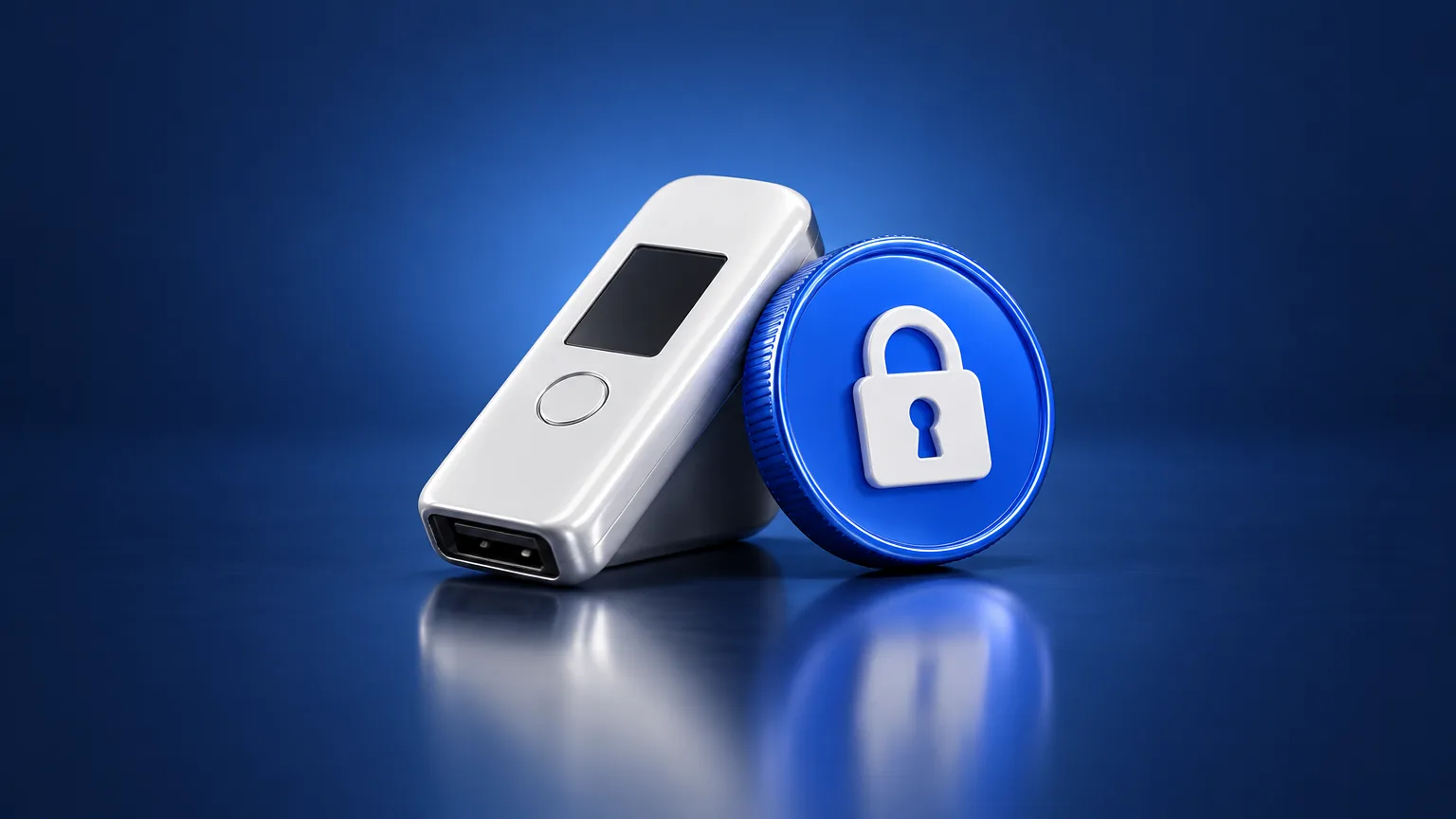
Cold storage keeps private keys offline or otherwise disconnected from routine internet access. A hardware wallet is the most familiar example: it is a physical device that stores signing credentials and approves transactions without exposing those credentials directly to an internet-connected computer or phone.
Other approaches can be more manual, such as securely generated offline backups. These methods demand precision, however. A recovery phrase written down carelessly, photographed, stored in cloud notes, or left in an obvious location is no longer meaningfully protected by being offline.
Cold storage reduces the attack surface for long-term holdings. A remote attacker generally cannot access keys held on an offline device in the same way they might exploit a compromised browser or mobile phone. But it does not eliminate risk. Owners can lose the device, misplace recovery materials, buy tampered hardware, or approve a harmful transaction if they fail to verify what appears on the device screen.
Cold storage also adds friction. To send crypto, you typically need the hardware device, its access code, and a careful confirmation process. That is a useful pause for a large transfer, but it can be inconvenient when you need fast access to funds.
Hot Wallet Versus Cold Storage: The Practical Differences
The central difference is connectivity. A hot wallet prioritizes immediate access, while cold storage prioritizes separation from online systems. Neither model is universally better because crypto use is not universal.
A hot wallet is often the better fit for a portion of assets you expect to use. That could include funds for exchanging crypto, sending money to family abroad, exploring Web3, or covering card activity. Fast access is the point, and a good security routine helps protect that convenience.
Cold storage is often more appropriate for holdings you plan to keep untouched for a longer period. The extra steps make impulsive transfers less likely and can reduce exposure to common online attacks. It is particularly useful when the amount stored would be painful to lose and does not need to be available at a moment's notice.
The trade-off is not only security versus speed. It is also responsibility versus support. With self-custody, you control the keys, but you are responsible for recovery. If recovery details are lost, access may be permanently lost. With a custodial setup, a provider manages key infrastructure and may offer account recovery processes, while you must assess its security practices, operational controls, and applicable protections.
How to Choose a Setup That Matches Your Use
Start with one direct question: what do you need this crypto to do over the next few months? If the answer is "trade, transfer, spend, or use regularly," keeping a limited working balance in a hot wallet may be sensible. If the answer is "hold without frequent movement," cold storage may better match the goal.
The amount matters too. Think in terms of exposure rather than a fixed rule. Many experienced users avoid keeping their entire crypto balance in a single online wallet, just as they avoid relying on one device, one password, or one backup. Splitting assets by purpose can make security easier to manage.
Your confidence with self-custody should influence the decision. A hardware wallet is not a magic shield. It works best when you understand how to set it up, verify addresses, store recovery information securely, and test your recovery plan. If those steps feel unclear, take time to learn before moving a significant amount.
A simple structure may look like this: use a hot wallet for active crypto activity, use cold storage for assets you do not expect to move often, and maintain secure backups that are separate from your primary device. The right split changes as your balance, habits, and comfort level change.
Security Habits That Matter in Either Model
Wallet type is only one layer of protection. The same basic discipline applies whether keys are online, offline, or managed through a provider.
First, treat every message asking you to act urgently as suspicious. Scammers frequently imitate wallet brands, exchanges, and support teams to push users toward fake login pages or malicious transaction approvals. Navigate to services directly instead of following unexpected links or QR codes.
Second, inspect every transaction before approval. Check the destination address, the asset, the network, and the amount. For a first transfer to a new address, a small test transaction can help confirm that the destination and network are correct before you move a larger amount.
Third, protect recovery details as carefully as the assets themselves. A recovery phrase is not a password you can reset. Anyone with it can potentially control the wallet. Do not type it into websites, send it through messages, or store it in an unprotected digital file.
Finally, plan for real-life disruptions. If you use cold storage, consider how trusted people would locate essential instructions if you became unavailable, without giving them unnecessary access today. If you use a custodial platform, keep account details current and understand its verification and recovery requirements.
A Wallet Strategy Should Evolve With You
Your first wallet choice does not need to be permanent. A newcomer buying a small amount of crypto may value an easy, secure interface and clear transaction details. An active participant may need accessible funds for market opportunities. Someone building a long-term position may place more weight on offline key protection.
A Swiss Smart Wallet ecosystem can make it easier to manage the active side of crypto - buying, exchanging, transferring, and spending - without treating every asset as if it has the same job. Still, convenience should never replace thoughtful security decisions.
The most useful wallet setup is the one you can operate confidently, protect consistently, and recover when needed. Keep everyday crypto accessible, put long-term holdings behind security that fits their importance, and review the arrangement whenever your crypto use changes.
Crypto assets involve significant risk, including the potential loss of value or access. Take time to understand any wallet, transaction, or custody arrangement before moving funds.

Suggested Posts






YouHodler is regulated in Switzerland, the EU and Argentina.

YouHodler SA
Registered financial intermediary

YouHodler Italy S.R.L.
Registered as a VASP with the OAM

YouHodler SA
Registered as VASP with Banco de España

YouHodler SA Branch in Argentina.
Registered as a VASP with the CNV.